Check your device
Begin with a device purchased through Ledger or an authorized channel. Visit Ledger.com/start by typing the address yourself. Do not use setup links from unsolicited messages or ads.
A trusted start is a safer start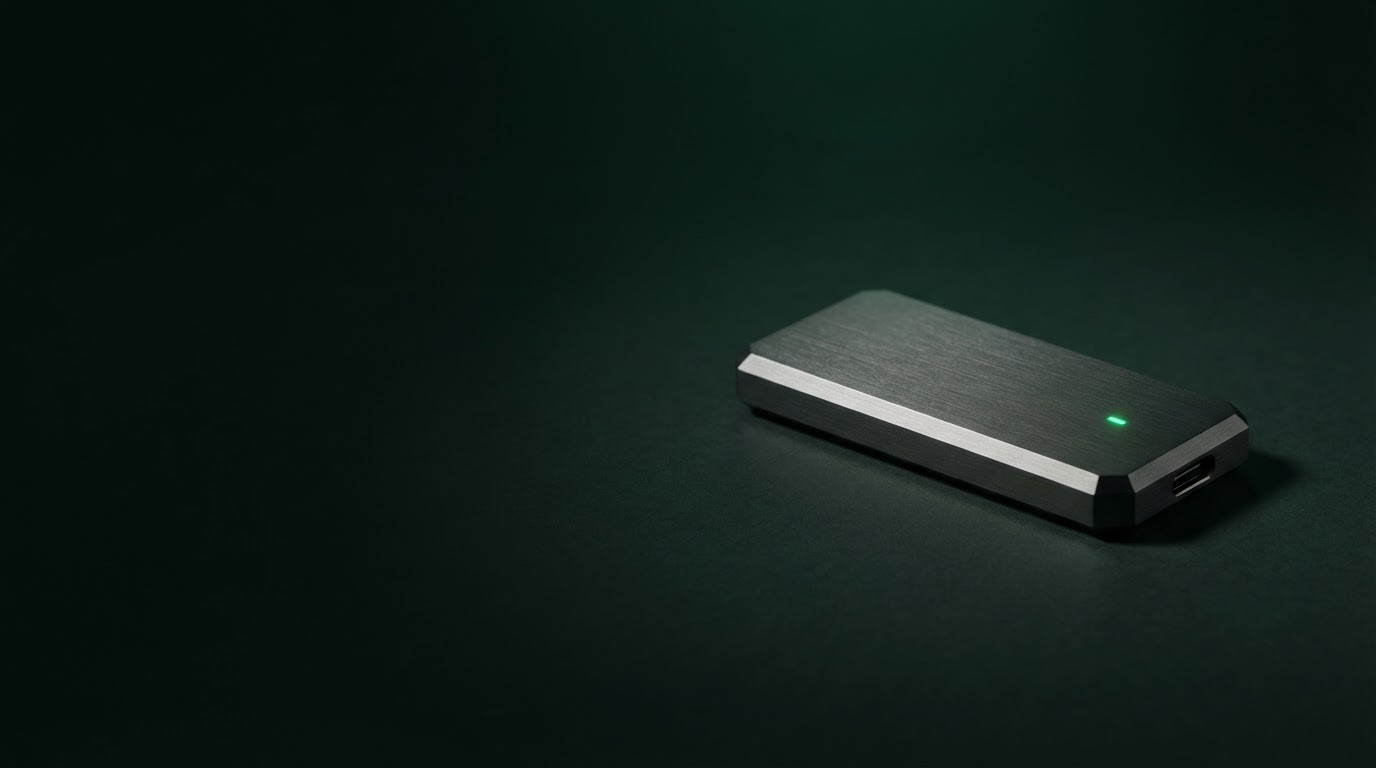
A better way to begin
A simple, thoughtful start to self-custody. Get to know your Ledger, understand the essentials, and take your first steps with confidence.
A Ledger hardware wallet is designed to help you keep control of the private keys that authorize access to your digital assets.
That distinction matters. When assets are held with a service, that service manages access on your behalf. With self-custody, you take responsibility for your own keys and recovery phrase. A Ledger device keeps your secret keys protected offline while you review and approve transactions on the device itself.
It is a different way to participate in the crypto ecosystem: more direct, more personal, and deserving of care. This guide makes the first steps feel less mysterious. You do not need to know everything today. You only need to move deliberately, learn the basics, and keep your recovery phrase private.
Set aside a few unhurried minutes. Use official Ledger resources, follow the instructions on your own device, and pause whenever something does not look right.
Begin with a device purchased through Ledger or an authorized channel. Visit Ledger.com/start by typing the address yourself. Do not use setup links from unsolicited messages or ads.
A trusted start is a safer startConnect your wallet and follow the steps shown on your device and Ledger's official setup guide. Create your own PIN privately. Only you should know it; never share it with anyone claiming to offer support.
Take each screen one at a timeYour recovery phrase is the backup to your wallet. Record it offline, exactly as shown, and keep it somewhere private and secure. Ledger will never ask you to type it into a website, app, or chat.
Your phrase belongs to you aloneKeep the recovery phrase offline. Anyone who gets it may be able to access your assets. No legitimate support agent, website, or app should ask you to reveal it.
A small device. A big responsibility.
Your hardware wallet is a signing device. It helps keep private keys isolated while giving you a place to verify actions before you approve them.
When you use a compatible app, transaction details are prepared for your review. Check the information on your Ledger screen before confirming. The screen is your checkpoint: if the address, amount, or action differs from what you intended, do not approve it. A careful pause is part of using the device well.
Learn the self-custody basicsSelf-custody gives you control and asks you to protect that control. Build a few simple habits from day one; they matter more than moving quickly.
Visit Ledger SupportNever photograph it, store it in cloud notes, or enter it online. Keep the physical backup somewhere only you can access.
Read transaction details on your hardware wallet's screen. A familiar app or website is not a substitute for checking.
Type official addresses yourself and be cautious with urgent messages, giveaways, unsolicited support, and lookalike sites.
There is no prize for doing everything in one sitting.
Before transferring assets, take time to understand the network, destination address, and fees involved. If you decide to make a transfer, many people choose to begin with a small test transaction they can afford to lose, then confirm that it arrived as expected. A transfer sent on the wrong network or to the wrong address may be irreversible.
Explore Ledger Academy and the official support center to build your understanding. Terms like public address, network, approval, and recovery phrase are worth learning before they become urgent. Questions are welcome; pressure is a reason to stop and verify.
Clear answers for the start of your self-custody journey.
It helps protect your private keys offline and lets you review and approve transactions on the device. Your crypto assets exist on their respective networks; the wallet is a way to manage access to them.
No. Your PIN unlocks your device, while your recovery phrase is a backup that can restore access. Keep both private, and never share your recovery phrase with anyone.
No legitimate Ledger representative should ask for your recovery phrase. Anyone asking you to reveal it is not helping you secure your wallet. Stop the conversation and report suspicious contact through official support channels.
Use Ledger's official setup page at Ledger.com/start and its official support resources. Type the address directly in your browser rather than following links in unexpected messages.
THE NEXT STEP IS YOURS
Take the guide with you, keep your phrase private, and let confidence come from understanding—not from rushing.
Continue at Ledger.com/start Always verify you are using official Ledger resources.